Map the real workflow
I trace the work from trigger to handoff, including the awkward human decisions that should not be automated away.
Approach
The best automation is not loud. It removes one recurring burden, names the edge cases, and gives the team a system they can trust without thinking about it every morning. Here is how I get there.
The best automation work is not loud. It removes one recurring burden, names the edge cases, and gives the team a system they can trust without thinking about it every morning.
I trace the work from trigger to handoff, including the awkward human decisions that should not be automated away.
The first release handles the core path, the known errors, the retry logic, and the handover notes.
You get the build in your accounts, a written runbook, and a walkthrough that makes maintenance feel ordinary.
Every build I ship has these properties. If a project would violate one of them, I say so before the contract.
I do not build big when small will hold. Most workflows need one well-built path, not a configurable platform.
The build lives in your accounts on infrastructure your team can maintain. No proprietary platform. No mandatory retainer.
Every build ships with a runbook and a walkthrough. Onboarding a new operator should take 20 minutes, not 20 hours.
I tell you which cases will route to a human and why. Honesty about limits beats theatre about capabilities.
I am not a retainer shop. I ship one workflow, hand it back, and leave. If the next workflow makes sense, you tell me. If it does not, you keep the build.
One paragraph, one voice note, or one Loom. No discovery questionnaire, no sales call.
What is automatable, what stays human, fixed price, fixed timeline. You read it, you decide.
Live in your accounts. Real data. Real edge cases. Daily progress in a shared channel.
Runbook, walkthrough, 30-day stability window. Retainer is optional, never the business model.
These are the patterns I will not adopt - not because they are evil, but because they erode the kind of work I want to keep shipping.
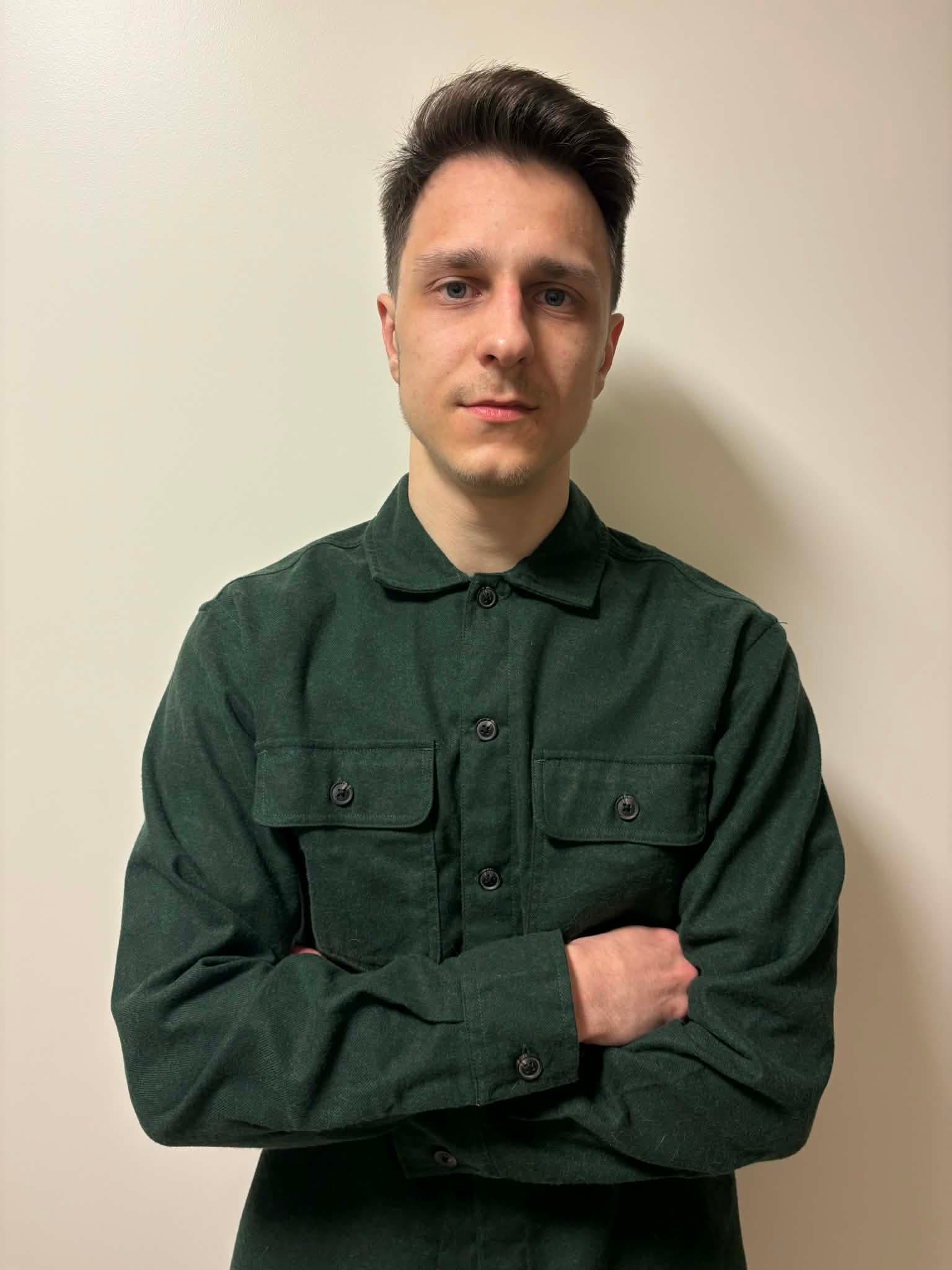
I am Armintas, a senior software engineer with 5+ years building software, much of it in fintech where a wrong number is a real problem. Azanagi is a one-person studio, so the person who scopes your build is the person who writes it and hands it over.
Everything I build lives in your accounts, documented end to end, with no lock-in. If you ever stop working with me, you keep the system and the keys and can hand it to anyone.
One business day for a written audit. No discovery questionnaire, no sales call before the build.